WAM Procedures
WAZER’s software, WAM, is a robust platform that takes you from design to cutting fast. Import SVG and DXF files from any major design application.
If you are looking for a general introduction to WAM, see the User Manual.
Settings / Cut File Setup
You can find details here on setting up WAM and as well as some details for preparing you files for WAM
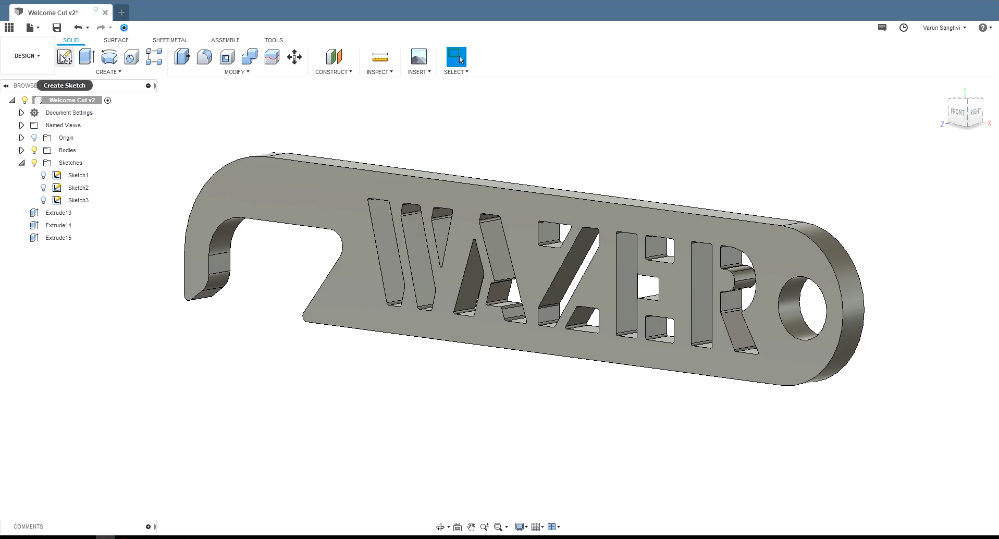
This articles formalized several term that usually used in a cut project, and also list out all the steps needed from conceptualization to final cut execution.

To improve WAM’s user experience, you will now find help icons within each tab of the cut file setup.
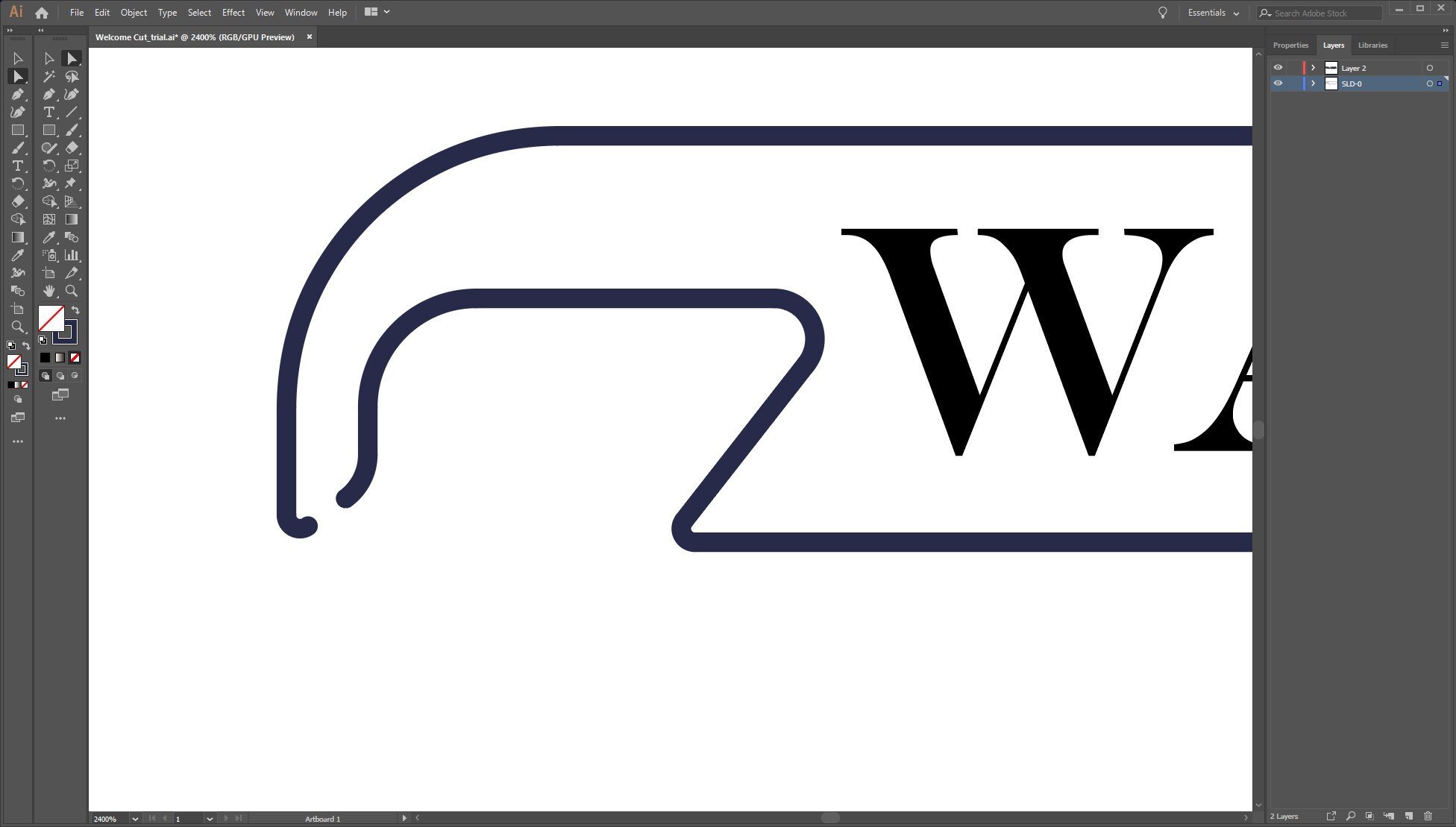
WAM currently accepts 2 file types for importing drawings. DXF is one of the two and is commonly associated with more technical software. Despite this many drawing type software can also export to this format. We have included walkthrough for four commonly used programs; two technical, and two drawing.
This procedure will guide you through setting up your WAM account and how to avoid common problems
SVG is the vector image type for scale-able designs, and here is how to export that into WAM.


As a WAZER owner you have the ability to create a public Wam account that you can share within your organization.

File Import
WAM takes your SVG & DXF and converts them into code to run the WAZER.
This section covers everything relating to making sure you can get your design file into WAM

This guide will teach you how to prepare the DXF and SVG files, and how to manipulate the cut features in WAM as you expect.
Scale and Position
In WAM it is possible to manipulate your design file by scaling and positioning them on the cut bed.
This can allow for careful packing of parts or precise with fixtures. The following section covers all things related.

This feature update allows you to accurately position the cut path on the virtual cut bed.

This guide teaches you how to set the overall size and orientation of the cut profile in WAM.
Material
WAZER is able to cut almost any material and as result WAM needs to be able to support that.
This section will help you understand the material library and how to ensure your WAZER is prepared for the material you want to cut
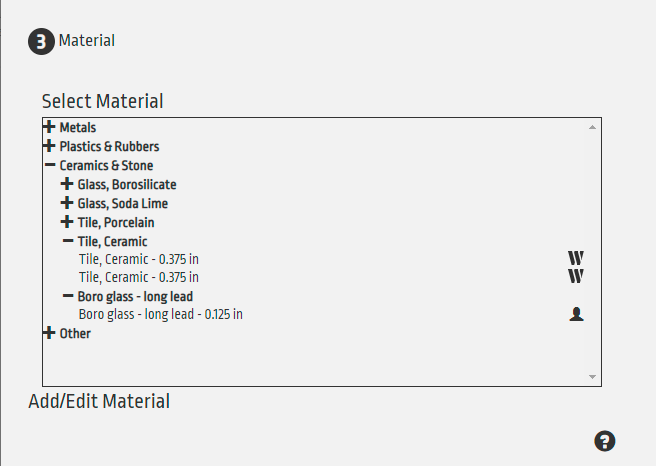
This guide teaches what cutting parameters go into one material setting, and how to edit them
The following instructions will walk you through how to determine the cutting parameters for either a new material and/or thickness and enter that material and thickness into your personal database on Wam.
Cutting Path
When setting up a cut it is important to let WAM know what part of the design is important to keep.
This section clarifies how to make sure your cut our part meets your specifications

This feature, introduced in WAM 1.3, allows users to create pilot holes in place of small holes in the design file. This enables the precise placement of holes that can be drilled out at a later time. This can be useful when it is faster to drill out the hole manually or more accurately in cases where precision is needed.
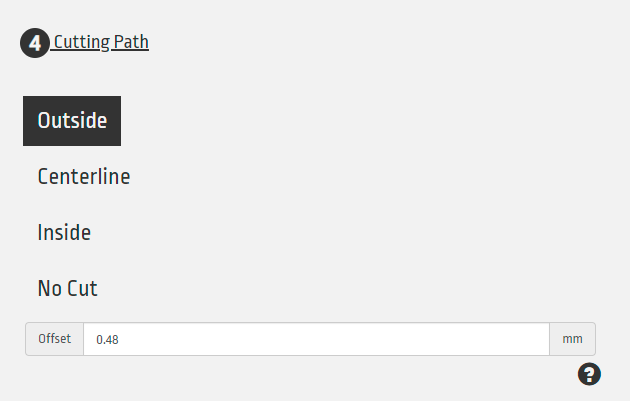
This guide explains the differences in cut paths and help you to select the best cut path for your particular cut job.
Cut
The final details regarding speed selection and file management before moving your cut file to the WAZER
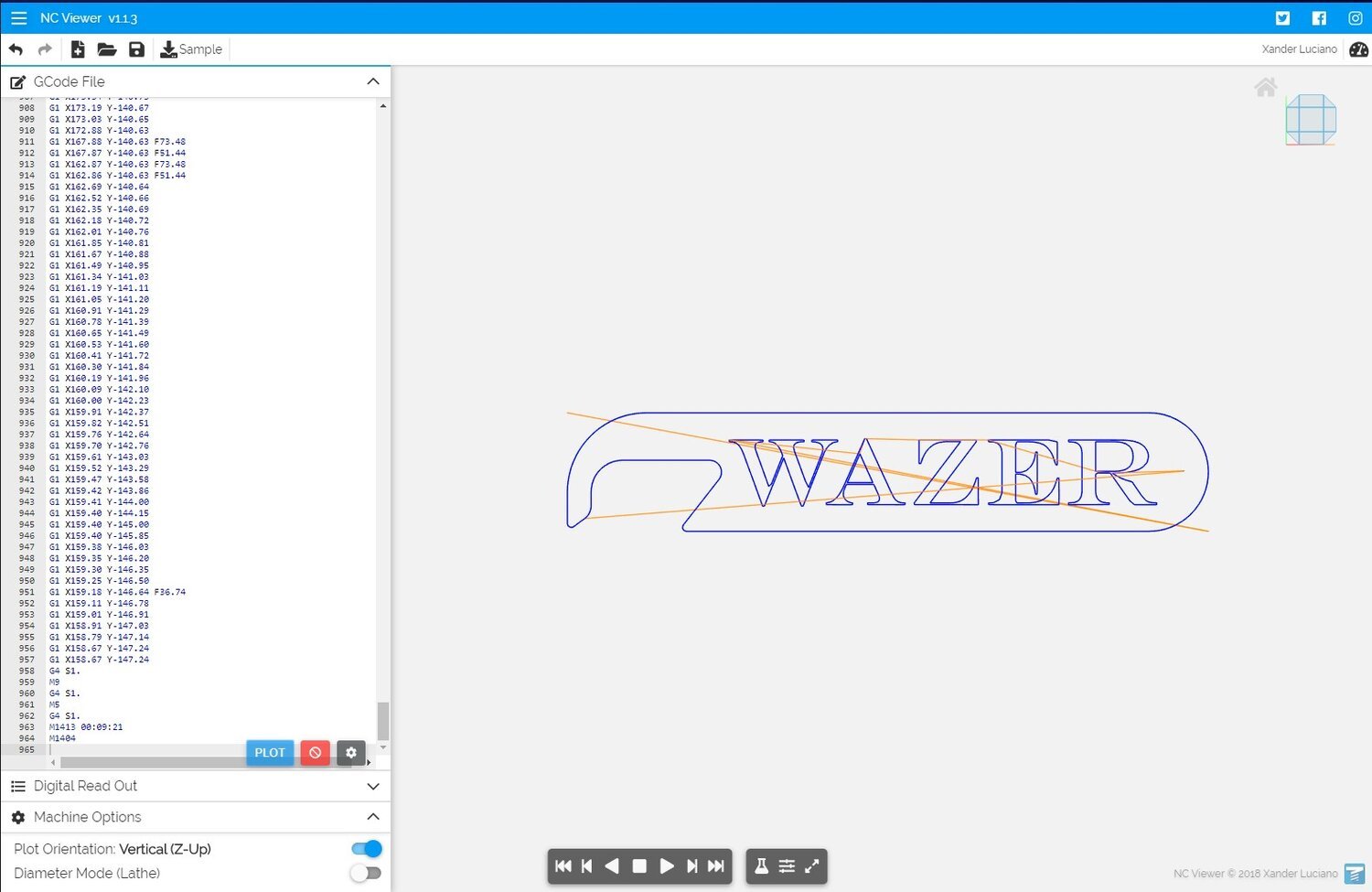
This is an explanation and dissection of the WAZER G-code structure so that you can understand how WAZER is interpreting the series of commands that Wam generates. These are all critical for your WAZER to function corrrectly and safely:

This Feature adds file cut data selected when generating the cut as a header to the G-Code file

Advances in WAM have lead to cleaner cuts for both the ends of cuts and on curved circles.

This guide explains the function on the last tab in WAM, and also teaches the users how to execute a perfect cut
WAM Common Q&A
Along the years, we have collected several commonly asked questions and tried our best to answer them here.

WAM is WAZER’s proprietary cut file generation application. You may think it as a CAM software specifically designed for WAZER. As with any other piece of software, there is a learning curve, it and may take some time to get the hang of it. Over the years, we have collected several commonly asked questions and have answered them here. If you have any other questions or uncertainties, please feel free to reach out to support@wazer.com
Tabs and Leads Background
This guide explains how a tab and lead works in water jet cutting, and also teaches you how to operate the tabs and lead to maximize cut quality.