Maintenance Schedule
[WARNING] WAZER track the number of hours it has been running. To ensure a safe and reliable machine, you MUST regularly check the run time so that you may perform preventative maintenance as required in this User Manual. If you do not abide by the regular maintenance procedures and schedule, the warranty and support for your WAZER will be void.
Short-Term Service
Interval: 20-100 hours
(350 – 1,650 lbs. of abrasive)
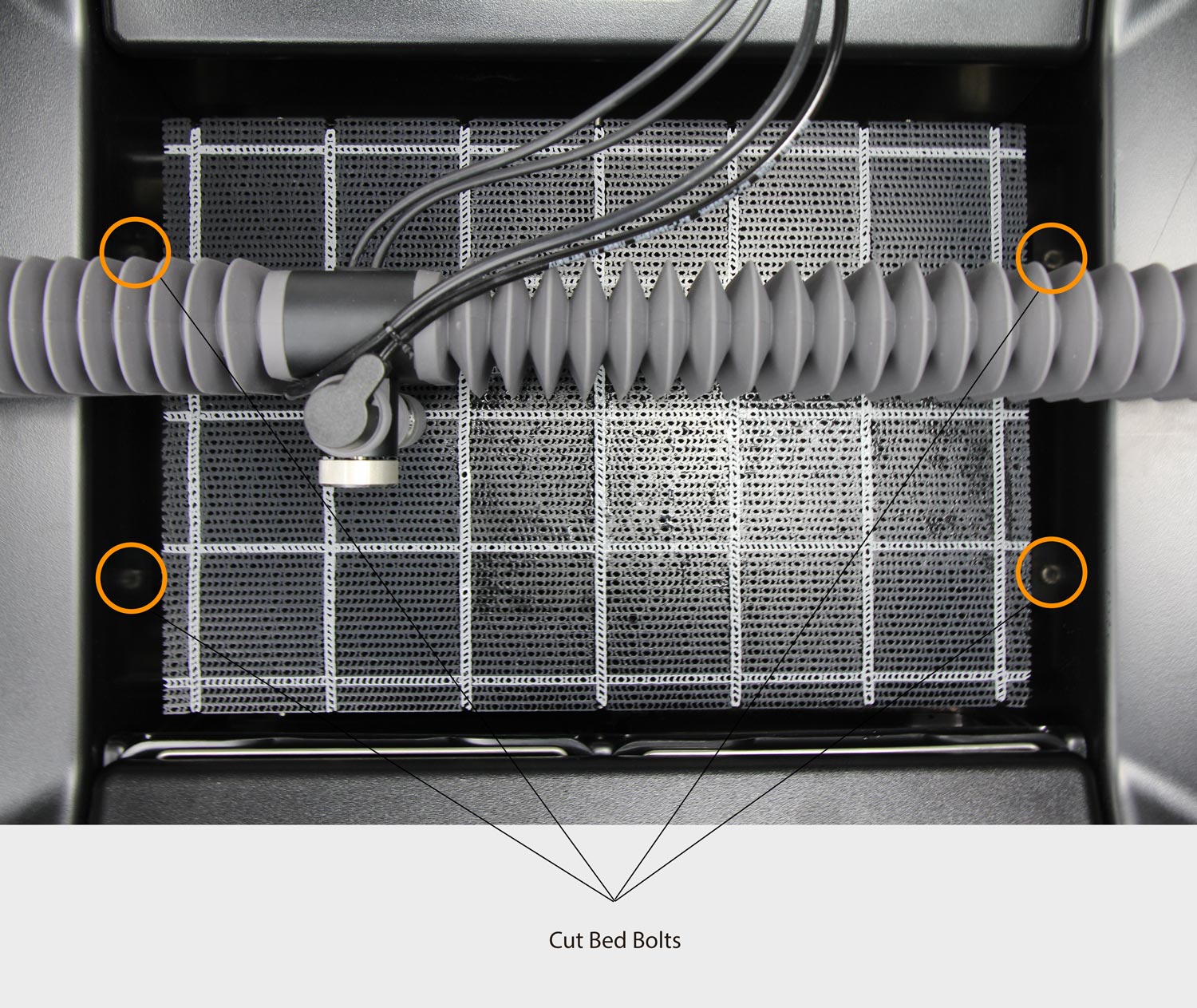
WAZER’s Cut Bed is intended to be a consumable, which means it will need to be flipped or replaced every so often.

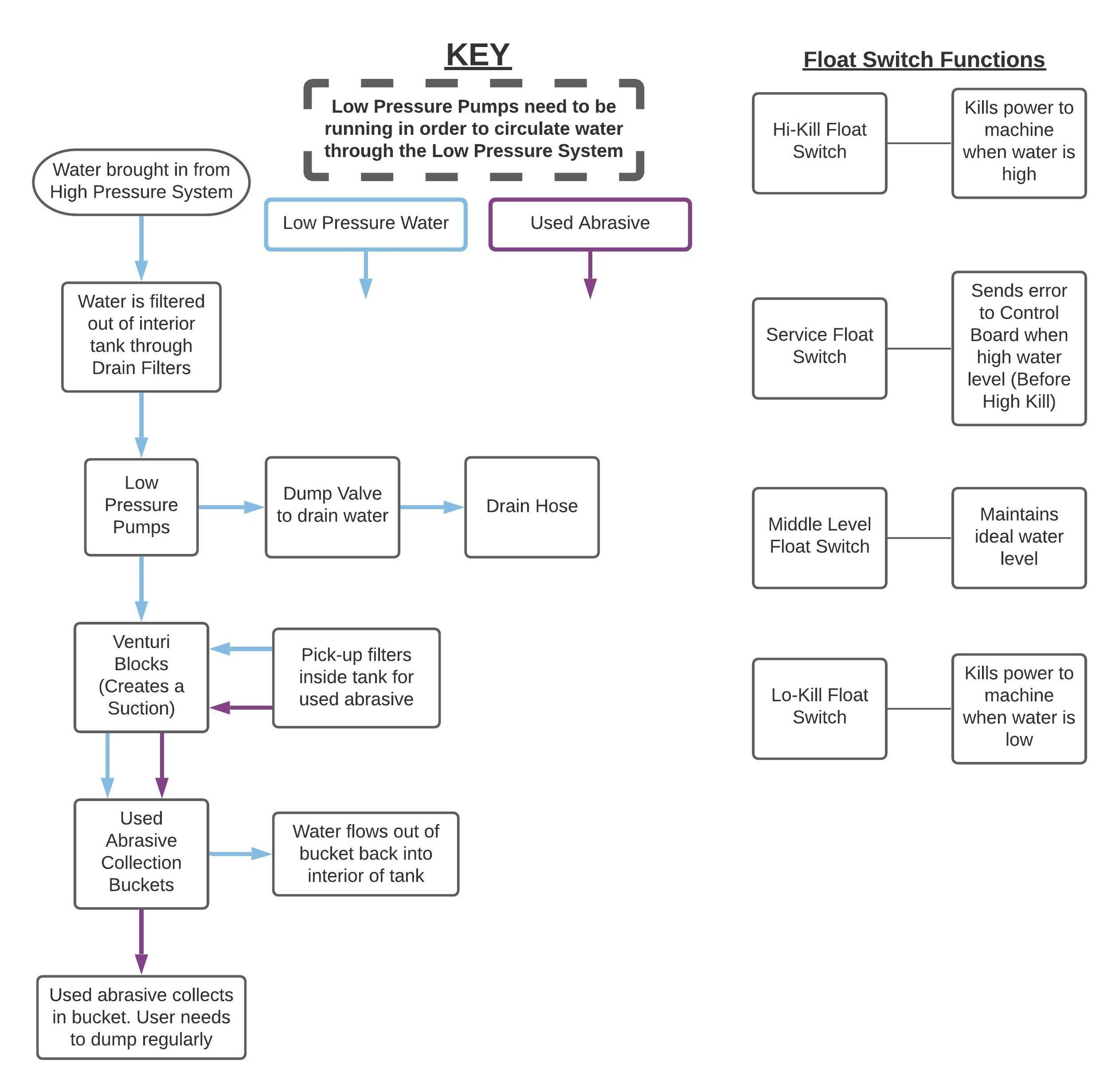
The first-defense for your low-pressure system. The Drain Filter needs constant cleaning. If clogged, the low-pressure system will be starved. Improper cleaning may bring more harm than good.

To collect Used Abrasive, run the Tank Cleaning Cycle from the Setup & Maintenance menu of the Control Panel. This procedure will help prevent any clogs in the Filtration System. It is good practice to after every cut


The High-Pressure Hoses need to be checked for wear every 20–50 hours. If you do not properly identify wear in the High-Pressure O-Rings, they can become damaged and lead to a severe leak.

All the water going into the system is filtered at the water inlet of the pump. Over time, this can accumulate debris and sediment commonly found in most water mains. If you have particularly old plumbing, you may need to clean your filter more often.

This guide teaches you how to adjust and reset the abrasive flow rate to maintain best cutting quality.

If there is a lot of abrasive in the tank or the Wazer has been sitting for a long time this mode will loosen up the compacted abrasive by the abrasive pickups and the rear baffle
If the Wazer has been sitting for more than a few days, the heavy abrasive in the bottom of the tank can compact. The compacted abrasive is very difficult for the abrasive system to pick up and if it happens to cover the pickups then the system will not function. This guide will help you get your machine ready to cut again.
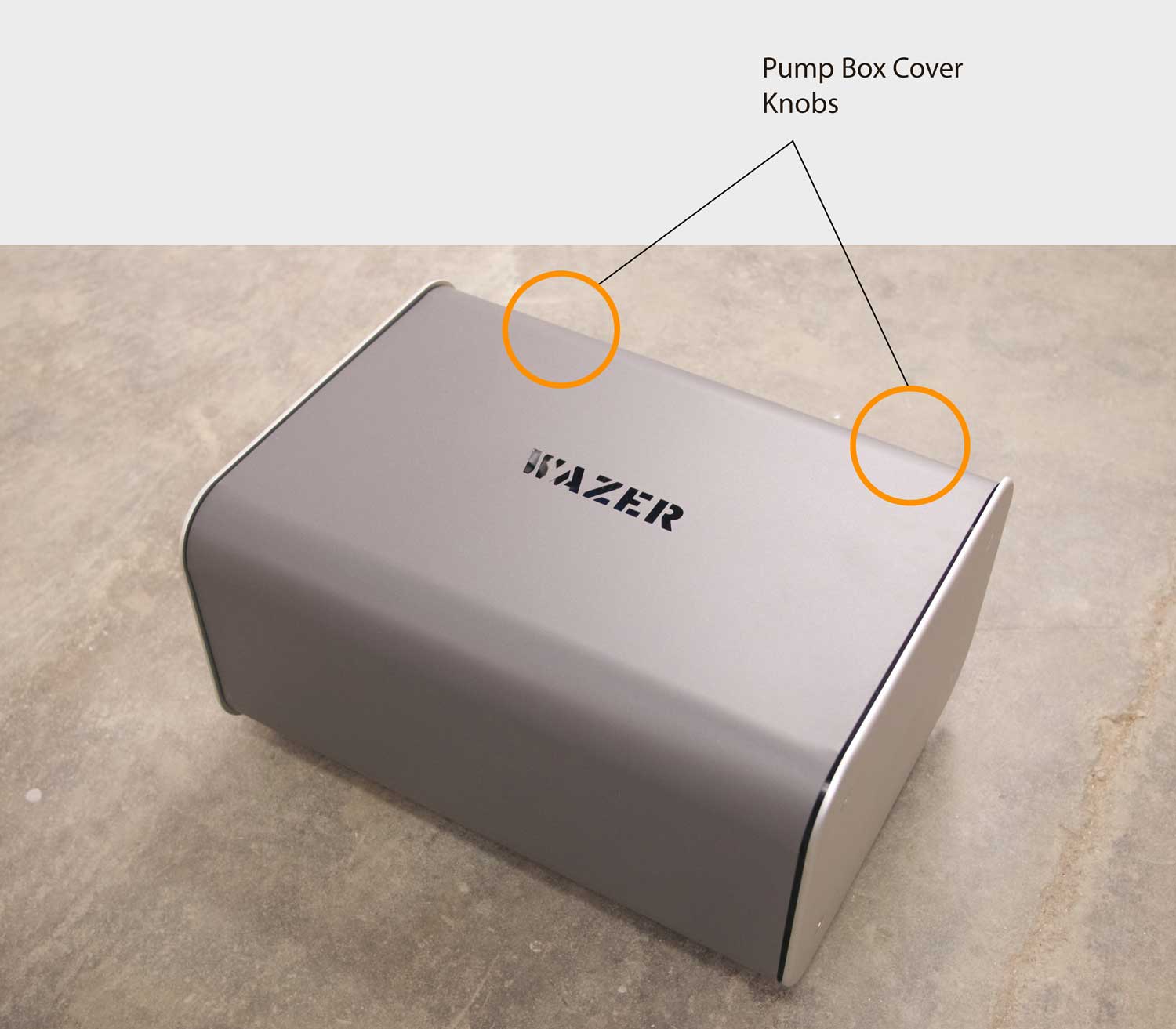
The Pump Box oil needs to be changed after the first 50 hours of use, and then every 300 hours after that.

This is the first-defense for your low-pressure system. Magnets in the Magnetic Drain Filter traps iron particles in the tank water and prevent them from entering the Low Pressure Pumps. They need constant cleaning. If clogged, the low-pressure system will be starved. Improper cleaning may bring more harm than good.

The nozzle filter core is the last defense in the high pressure system before the water reaches Jewel Orifice. Perform the cleaning regularly to prevent hours of repair work in the long run

WAZER incorporates a sensor to immediately pause cutting once a backflow is detected, only a small portion of the abrasive system needs to be cleaned afterwards
Medium-Term Service
Interval: 300 hours
(5,000 lbs. of abrasive)
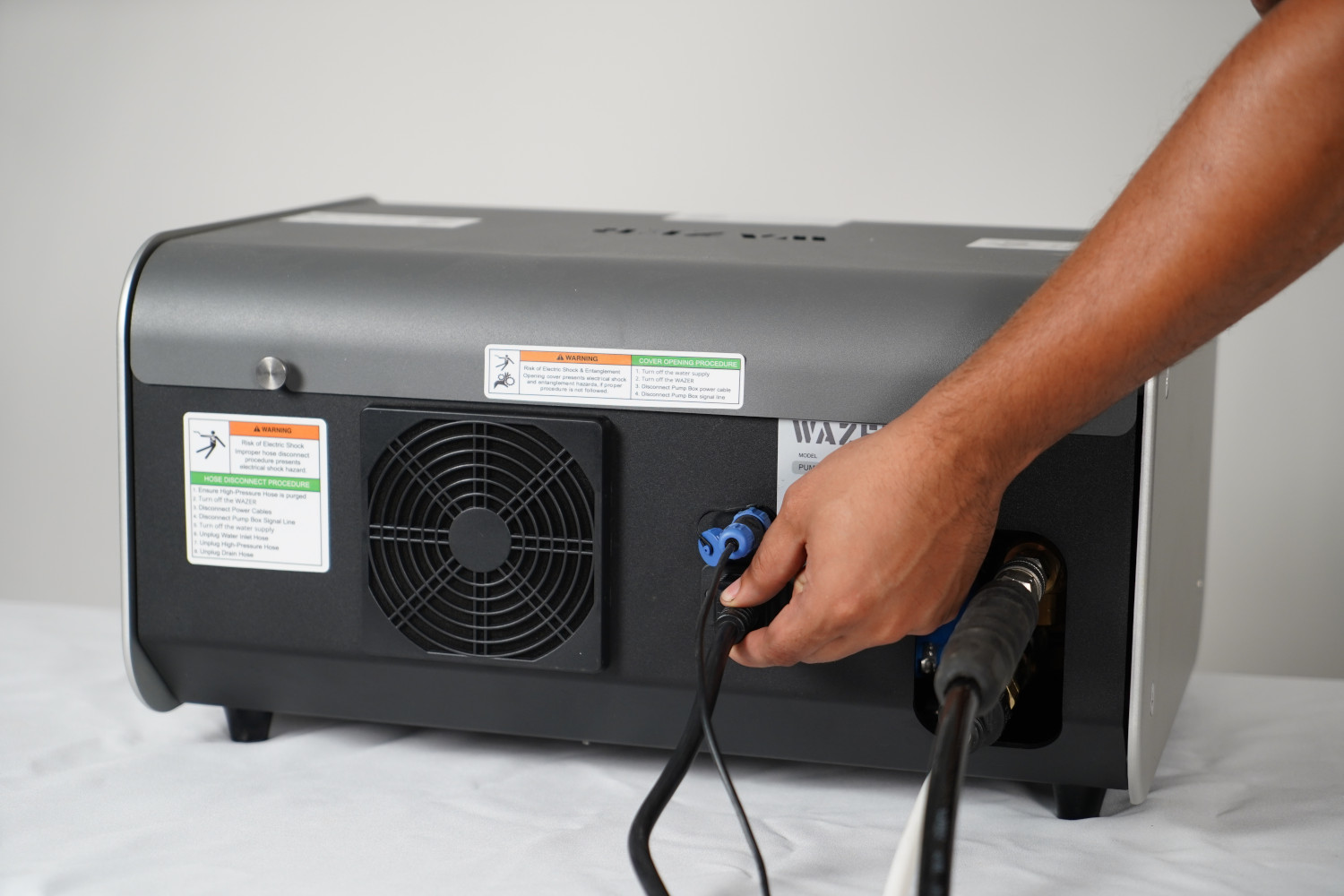
The pump box Air filter needs to be cleaned roughly every 300 hours. If the Wazer is located in a particularly dusty area it should be checked and cleaned more often. A clean air filter allows the the pump box to run far cooler, prolonging the life of all the components inside

The nozzle assembly is wear component and needs to be replaced after around 300 hours of cutting. The following guide details the replacement procedure.

You will need to replace the WAZER’s Orifice after 300+hr of run time, when the performance of your WAZER starts to decline, or if the orifice is damaged.
The Pump Box oil needs to be changed after the first 50 hours of use, and then every 300 hours after that.
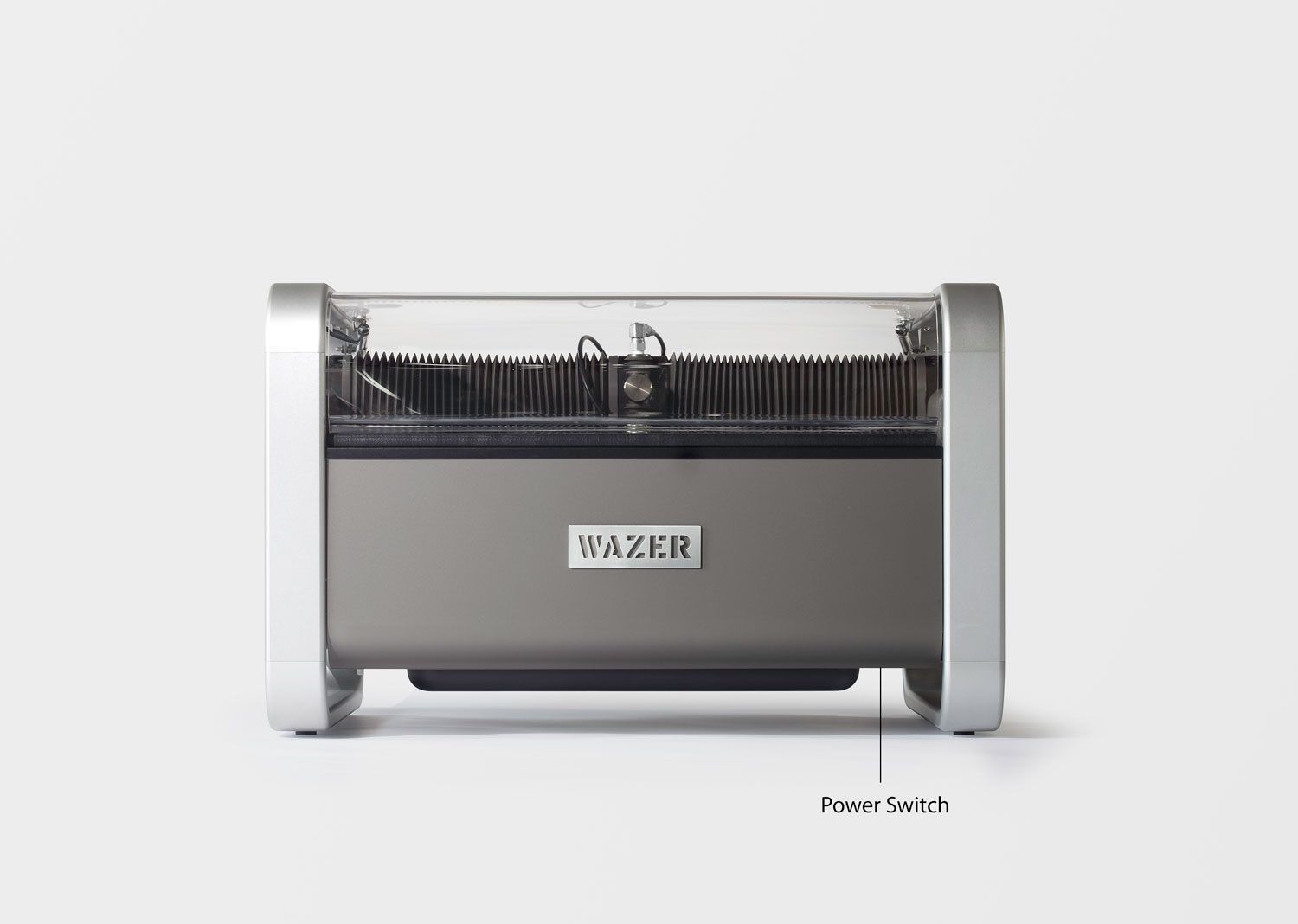
Keeping the gantry lubricated is important to ensure that it is able to move freely along the guide rods. An unlubricated gantry may bind up and cause issues with movement.
Long-Term Service
Interval: 600 hours
(10,000 lbs. of abrasive)

This guide will walk you through the process for preparing the WAZER for long term storage. This is crucial to do in winter if the machine will be subjected to freezing temperatures.
All the water going into the system is filtered at the water inlet of the pump. Over time, this can accumulate debris and sediment commonly found in most water mains. If you have particularly old plumbing, you may need to clean your filter more often.